
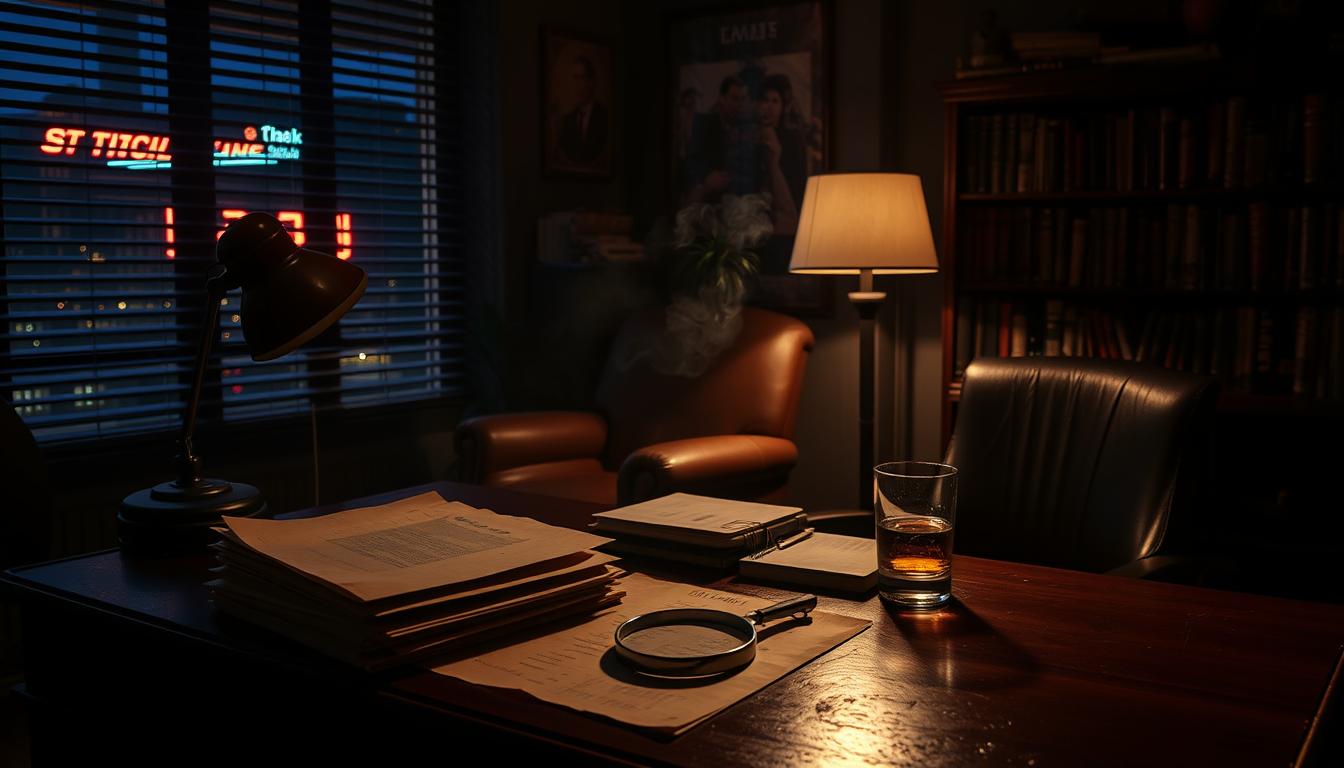
Imagine this: A boutique owner, Betsy Vargas, was mugged by an attacker who left a riddle. The riddle linked their identity to a 1960s TV game-show host. Three suspects—Billy Preston (tall, blond), Joe Alford (dark-haired, balding), and Jacob McCarthy (redheaded)—were present. Can you solve it? This is the thrill of one-minute mysteries, where sharp clues and tight storytelling turn everyday moments into whodunnit games.
Woman’s World has mastered this format, publishing two-minute mystery stories weekly. They started in 1932. These short mysteries, like those in Special Mini Mysteries magazines, pack full plots into flash fiction. Readers worldwide, from Africa to the Caribbean, dive into these puzzles, solving them faster than it takes to brew coffee.
Why do these quick detective stories grip minds? They demand focus but reward instantly. Betsy’s riddle points to John Daly, host of What’s My Line?, whose traits match Joe Alford’s description. Each story challenges you to think fast, blending history—like Daly’s 1960s game shows—with today’s global mystery-writing craze. This article explores how these tiny tales deliver big brain boosts, plus tips to craft your own. Ready to solve? Let’s begin.
What Are One-Minute Mysteries?
One-minute mysteries are quick brain teasers that test your logic in under 60 seconds. These mystery puzzles offer a puzzling scenario with just enough clues to spark curiosity. They are like short whodunnits that fit in the time it takes to brew coffee or wait for a bus.

Unlike longer stories, these puzzles focus on deduction over storytelling. A classic example is: Why does it take 45 minutes to two hours to hard-boil an ostrich egg? The answer lies in observing hidden details in the question itself. Each brain teaser rewards sharp observation, making them ideal for quick mental workouts.
“Most crimes are simple, relying on ordinary talents developed to an extraordinary degree.”
The book One-Minute Mysteries, published in 2007, has 100 puzzles. They are organized into themes like “Criminal Puzzlement.” Each puzzle has a single solution, often found through yes/no questions. You can solve them alone or in groups, using methods like timed written answers or collaborative debates.
These short whodunnits aren’t just for detectives. They help train minds to spot patterns, question assumptions, and think creatively—all in a minute. Whether you’re new to puzzles or a seasoned sleuth, they offer a quick thrill of problem-solving.
The History Behind One-Minute Mysteries
Early detective brainteasers started in the 1900s with pulp magazines. They were quick, easy puzzles that sparked curiosity. By the 1960s, Donald Sobol’s Two-Minute Mysteries made them simple for kids to solve.
By the 1970s, these puzzle mysteries were a hit in classrooms. Teachers used them to improve problem-solving skills.

In 2008, Eric Yoder and his daughter Natalie launched the One Minute Mysteries series. It had 65 science puzzles that mixed real-life scenarios with math and STEM. Schools like Mundo Verde use them to encourage teamwork and critical thinking.
Now, digital platforms and apps make these puzzles more accessible. The series is available in bilingual editions for classrooms with students who speak two languages. Teachers love how these puzzles help students learn to analyze clues, a key skill in today’s world.
How to Craft Your Own One-Minute Mystery
First, decide on the solution. This makes sure all clues lead to it. For instance, if your mystery is about an ostrich egg boiling too slowly, the answer might be that the egg was raw. Quick riddles work well with such twists. Start with a basic setup, then add confusing details to test mystery solving skills.
The book *One-Minute Mysteries to Make You Really Think* (ISBN 978-0-7369-5472-3) has 100 examples. Each one is designed to spark critical thinking games in under a minute.

Then, build the puzzle backward. Describe the situation, hiding the key detail in plain sight. The motor home mystery in the book’s “For a Price” section is a great example. It reveals a stolen item’s value through clever questions.
Include one or two clues but don’t explain too much. Test your mystery with friends—groups of two or more work best. Watch how they interpret clues and adjust any unclear wording to avoid confusion.
Practice with everyday scenarios. A boiling egg or a missing wallet can become puzzles with a logical twist. Keep the solutions surprising yet satisfying, like the “Aha!” moments in the book’s 100 mysteries. These small puzzles are great for classrooms or parties, encouraging creativity and patience in solving problems.
Popular One-Minute Mysteries to Try
Challenge your brain with these family mysteries designed to spark curiosity. Harvest House Publishers’ collection features 100 short whodunnits. They are organized into themes like “Criminal Puzzlement” and “Puzzling Situations.” Each puzzle fits a quick read, perfect for downtime or group brainstorming.

Take “The Hotel, the Thief & the Spa” as a classic example. A guest’s missing necklace reappears in the spa’s pool—how? Clues hint at unexpected angles, rewarding those who question assumptions. These mystery games thrive on lateral thinking, often requiring players to ask yes/no questions to uncover twists.
Some puzzles blend everyday scenarios with mind-bending logic. A cooking-themed riddle asks why eggs boiled in identical pots cook at different times—solutions reveal hidden factors like altitude or water temperature. The book’s hints section guides stuck solvers without spoiling twists, encouraging persistence.
These family mysteries span generations. Titles like “Minute Mysteries” have inspired fans worldwide. Their brevity and accessibility make them ideal for classrooms or game nights, proving sharp minds thrive on quick, clever challenges.
One-Minute Mysteries for Different Age Groups
One-minute mysteries are fun for all ages, sparking curiosity in everyone. Young kids love simple riddles about their daily life. For example, finding a missing backpack in school can lead to solving a mystery.
These puzzles teach kids to observe and solve problems on their own. Tweens and teens enjoy brain teasers that test their thinking. They might figure out who caused a school play problem or find hidden clues in messages.
These puzzles help teens think critically by making them question and solve complex puzzles. Adults love family mysteries that mix experience with cleverness. A dinner party puzzle might ask who spilled wine based on their job.
Teachers and parents can pick puzzles that fit each age group. Young kids start with simple puzzles about cause-and-effect. Adults get puzzles that involve social or professional clues. This keeps everyone’s minds sharp and conversations lively.
How One-Minute Mysteries Enhance Critical Thinking
One-minute mysteries are critical thinking games that sharpen minds quickly. They challenge solvers to find clues, question assumptions, and connect ideas fast. By solving puzzles like distinguishing raw vs. hard-boiled eggs, students learn to sort facts from distractions.
Eric Yoder and Natalie D. Reed’s award-winning series, including One Minute Mysteries: 65 MORE Short Mysteries You Solve With Science, prove this method is effective. Each puzzle requires deductive reasoning, just like scientists solve problems. For example, the egg puzzle teaches inference through observation, a skill useful in math or history.
“Students debate answers aloud, learning to value evidence over guesses,” says a 5th-grade teacher using the series. The books’ 20+ mini-mysteries also foster collaboration, with groups asking only “YES/NO” questions to solve challenges—a method praised by the Association for Science Education.
Research shows these exercises improve working memory and pattern recognition. The series aligns with Common Core Standards, making them great for classroom warm-ups. By turning puzzles into habits, students build cognitive resilience, a skill tested by the National Science Teachers Association. With 150+ activities in the latest edition, these brain teasers are not just fun—they prepare students for the future.
Resources for Finding One-Minute Mysteries
Looking for new mystery games or detective brainteasers? Check out One-Minute Mysteries by John Warner. It’s a hit with over 100,000 copies sold. Ken Weber’s 5-Minute Mysteries has 176 pages of puzzles in a small paperback. It weighs just 6 ounces.
Teachers love Sandy Silverthorne’s series, which has sold 600,000 copies. Prices start at $8.79 for eBooks.
Online sites like Braingle and Puzzle Baron offer two-minute mysteries for free. Apps like Mystery Master let you solve puzzles on the move. Podcasts like “Puzzle Quest” provide audio challenges perfect for your commute.
Follow social media channels like @MysteryPuzzles for daily brainteasers. For classrooms, Great Bible Adventure series meets educational standards and costs $9.71 for the paperback. Dive into these resources to keep your mystery-solving skills sharp anytime, anywhere.
Hosting a One-Minute Mystery Challenge
Turn any gathering into a thrilling mystery challenge with these easy steps. First, pick puzzles that fit your group’s age and skill. Sites like Murdle offer daily puzzles that get harder, while 5 Minute Mystery has new cases every week. For a family twist, try Pirates, Plunder, and Murder with its themed props and invites.
Plan your event with clear rules. For small groups, use Black Noir Murder Escape’s screen-sharing. For big crowds, My Mystery Party has over 100 themes. Virtual hosts can use Broadway Murder Mysteries’ audio and PDFs to guide players. Add Suspects: Mystery Mansion’s team play to keep everyone engaged.
Test your tech before the game. For example, National Cook Offed’s files make digital sharing easy. Give out prizes like Ghost Ship Murder Mysteries’ certificates to keep players excited. Adjust the game’s difficulty as needed, like The Detective Club Murder’s eight endings.
Make a space where guesses are welcome. If someone spills the beans, steer the focus to Disappearance of Kitty Wake’s multi-day mystery. Make it fun with timed rounds or team solving. This way, everyone, even beginners, can join in the fun.
The Future of One-Minute Mysteries
One-minute mysteries are changing with technology. They now use augmented reality (AR) and voice-activated games. These let users solve puzzles in real life. AI tools also create puzzles that match each person’s skill level.
This means new ways to keep people engaged. It’s not just for schools anymore. It’s for everyone, everywhere.
Teachers are adding mystery games to their lessons. Books like One Minute Mysteries: 65 More Short Mysteries You Solve With Science! help teach science. They make learning fun by solving mysteries quickly.
These books come with over 20 mini-mysteries and free PDFs. They’re perfect for teaching critical thinking.
Social media is also changing how we share puzzles. People post DIY challenges online. This creates a global community where solving puzzles is a team effort.
This trend shows how we like short, interactive content. Game designers are thinking of new ways to make puzzles even more exciting. They might add escape rooms or choose-your-own-adventure stories.
Despite all these changes, the core of puzzle mysteries remains the same. They’re about using logic, being curious, and getting answers fast. The Yoders are always coming up with new ideas.
Whether through apps or books, mystery games will keep evolving. They’re here to stay in both education and entertainment. The future looks bright, and it’s already happening in classrooms and homes.